
A New People of Chernobyl
Voices from ChernobylThis flow traces the emergence of a shared Chernobylite identity among people divided by nationality, displacement, illness, and stigma.
increasing Bearing strength in each event
 decreasing
Bearing strength in each eventdecreasingOrdinary People Reclassified
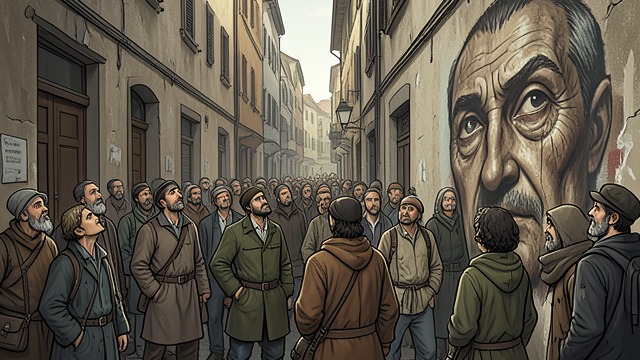
Ordinary People Reclassified
A New Label Appears
Former residents describe being treated as a distinct kind of person after others learned they came from Chernobyl. They were asked about danger, illness, and reproduction as if their lives were a public specimen.
The Loss of Normality
People who had understood themselves through jobs, families, and towns became identified by disaster. The new label arrived before they had words for their changed circumstances.
Strangers in New Places
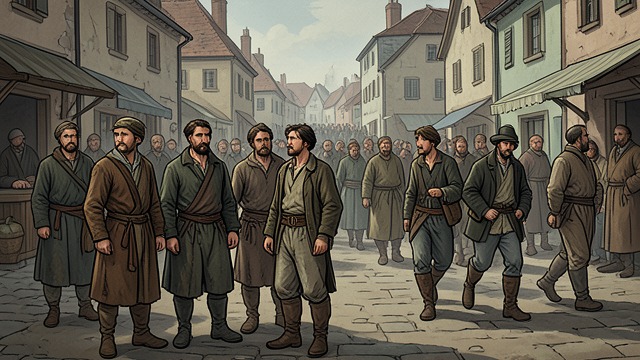
Strangers in New Places
Fear Follows the Evacuees
Some evacuees found that new neighbors avoided them or feared contact. Leaving a contaminated place did not erase suspicion about where they had come from.
Belonging Becomes Fragile
The survivors faced a social boundary alongside the physical one. Their experience raised the question of whether safety without acceptance could feel like a complete return to life.
Refugees Join the Zone
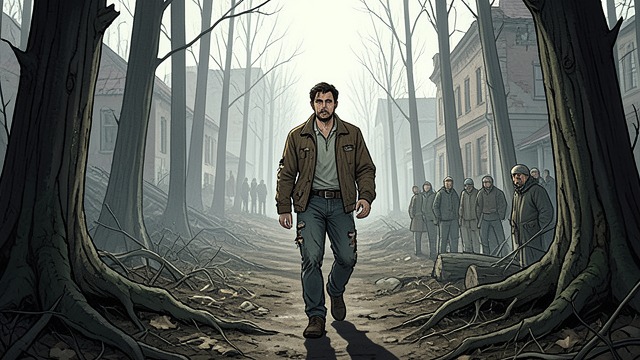
Refugees Join the Zone
New Arrivals From War
Refugees fleeing violence in places including Tajikistan arrived in abandoned or underused areas of Belarus. To them, the threat of guns could outweigh the less visible threat of radiation.
Shared Displacement
Their presence complicated the meaning of a Chernobyl community. People arrived with different histories, yet many had lost the homes and national identities that once defined them.
We Are Chernobylites
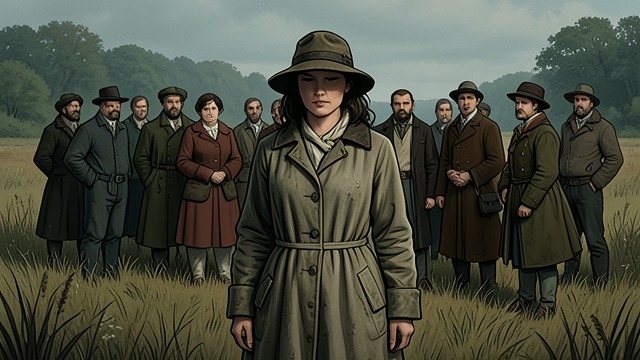
We Are Chernobylites
Identity Beyond Nationality
Some residents call themselves Chernobylites rather than Russians, Belarusians, or Ukrainians. The shared experience of the disaster supplies a name for lives that ordinary national categories do not capture.
A Community of Consequences
The identity joins people through displacement, illness, memory, and public stigma, without making their experiences identical. It describes both solidarity and a separation from those who have not lived through the disaster.
An Unfinished Nation
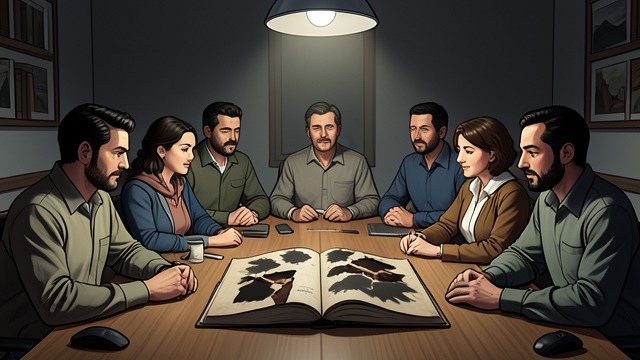
An Unfinished Nation
Shared Memory Persists
The book gathers people whose professions and temperaments differ but whose lives are organized around Chernobyl. Their testimony creates a fragile record of collective experience.
No Final Settlement
A common identity cannot repair lost homes or answer every medical question. It offers instead a way to recognize one another within an ongoing, unresolved history.
The first days after evacuation
After resettlement
The 1990s
A decade after the accident
The book's concluding movement
